
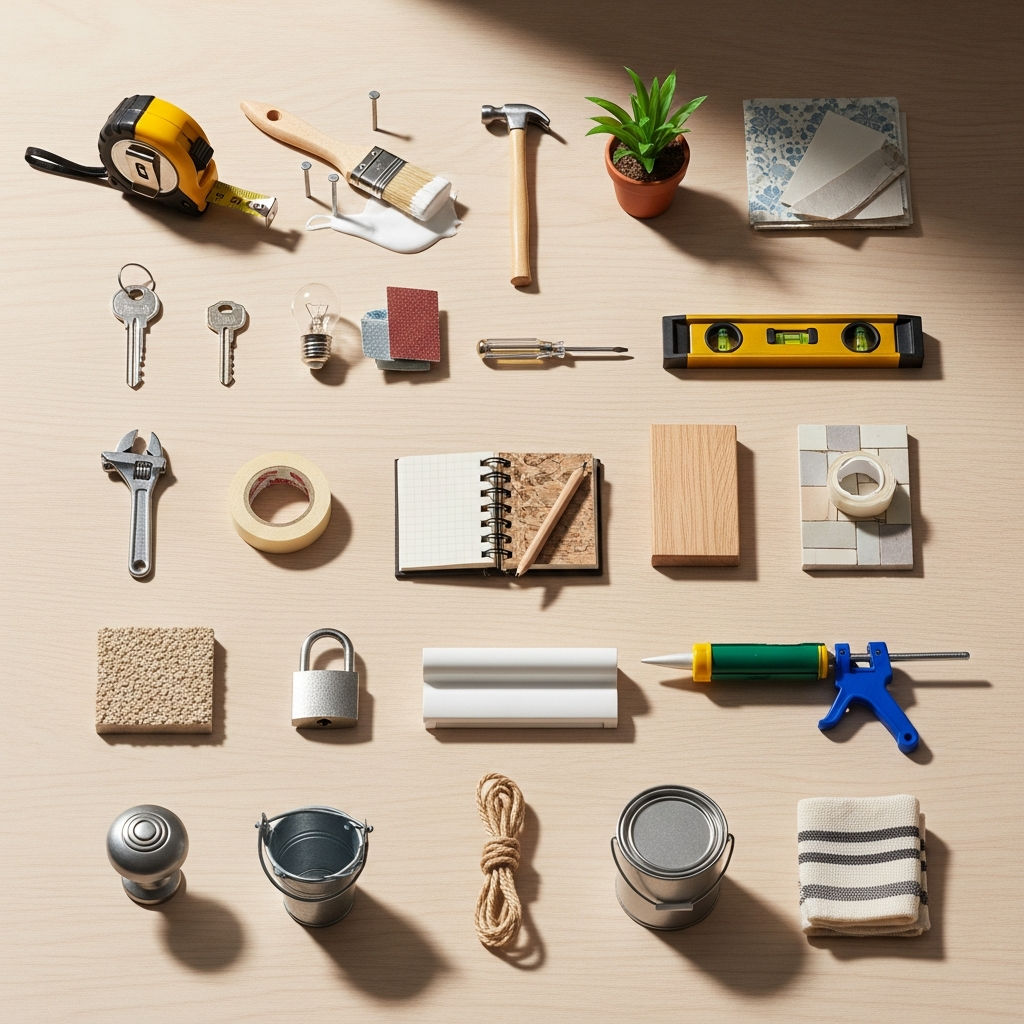
25 Complete Tips to Improve Your Home Improvement Projects
Home improvement is more than just a weekend hobby; it is a strategic investment in your property’s value and your personal quality of life. Whether you are planning a full-scale renovation or looking for small DIY projects to freshen up your space, having a clear roadmap is essential. Homeowners often dive into projects without a plan, leading to blown budgets and unfinished rooms.
To help you navigate the complexities of remodeling, we have compiled 25 comprehensive tips to improve your home improvement journey. From budgeting and planning to the finishing touches of interior design, these strategies will ensure your next project is a resounding success.
1. Set a Realistic Budget (and Stick to It)
The most common pitfall in home improvement is underestimating costs. Before you pick up a hammer, calculate your total available funds. Research the cost of materials and labor in your area. Once you have a number, commit to staying within it to avoid financial stress mid-project.
2. Create a Contingency Fund
Expect the unexpected. When you tear down a wall or pull up old flooring, you might find hidden issues like water damage or outdated wiring. Experts recommend setting aside an additional 10% to 20% of your total budget as a contingency fund to cover these surprises.
3. Prioritize High-ROI Projects
If you plan to sell your home in the future, focus on projects that offer the best return on investment (ROI). Kitchen remodels, bathroom updates, and improving curb appeal typically provide the highest increase in property value compared to niche additions like swimming pools.
4. Do Your Research on Contractors
If you aren’t going the DIY route, choosing the right professional is critical. Always check licenses, read online reviews, and ask for references. Get at least three written estimates to compare pricing and project scopes before signing a contract.
5. Obtain Necessary Permits
Skipping permits might save time now, but it can cause massive headaches when you try to sell your home. Unpermitted work may lead to fines or requirements to tear out the work. Always check with your local building department to see what documentation is required.
6. Focus on Lighting Layers
Lighting can completely transform the mood of a room. Improve your home by implementing three layers of light: ambient (general overhead), task (focused light for reading or cooking), and accent (to highlight architectural features or art). Swap out old yellow bulbs for energy-efficient LEDs in a “warm white” tone.
7. The Power of Fresh Paint
Paint is arguably the most cost-effective way to improve your home. A fresh coat of neutral paint can make a small room feel larger and a dark room feel brighter. Don’t forget the trim and ceiling; refreshing these areas makes the entire room look brand new.
8. Upgrade Your Hardware
Small details make a big difference. Replacing outdated cabinet knobs, drawer pulls, and door handles is a quick and affordable way to modernize your kitchen or bathroom. Choose finishes like brushed nickel, matte black, or champagne bronze for a contemporary look.
9. Reface Rather Than Replace
In the kitchen, cabinets are often the most expensive component. If your cabinet boxes are in good structural shape, consider refacing them or simply painting the doors. This gives you a “new kitchen” look at a fraction of the cost of a full replacement.
10. Update Your Backsplash
A new backsplash is a weekend project that adds significant visual impact. Peel-and-stick tiles are great for renters or budget-conscious DIYers, while classic subway tile offers a timeless appeal that suits almost any kitchen style.
11. Improve Energy Efficiency
Home improvement isn’t just about aesthetics; it’s about performance. Seal air leaks around windows and doors with weatherstripping and caulk. Adding insulation to your attic can significantly lower your heating and cooling bills, paying for itself over time.
12. Install a Smart Thermostat
Technology is a key part of modern home improvement. A smart thermostat allows you to control your home’s temperature from your phone and “learns” your schedule to save energy. It’s a small upgrade that adds modern appeal to potential buyers.
13. Refresh Your Curb Appeal
First impressions matter. Improve your home’s exterior by power washing the siding and driveway. Prune overgrown bushes, plant seasonal flowers, and ensure your lawn is well-maintained. These small steps can increase your home’s perceived value instantly.

14. Paint Your Front Door
The front door is the focal point of your home’s exterior. Choose a bold, welcoming color like navy blue, forest green, or classic red to make your house stand out. Ensure the hardware is polished and the doorbell is functioning correctly.
15. Focus on Flooring
Old, stained carpet can be a major turn-off. If you have hardwood floors hidden underneath, refinish them. If not, consider luxury vinyl plank (LVP) flooring. It is durable, waterproof, and mimics the look of real wood, making it perfect for high-traffic areas.
16. Declutter and Organize
Sometimes the best home improvement is simply removing what doesn’t belong. Invest in smart storage solutions like built-in shelving, closet organizers, or decorative baskets. A clutter-free home feels larger and more inviting.
17. Update Bathroom Fixtures
You don’t need a full gut renovation to improve your bathroom. Replacing an old, leaky faucet or an outdated showerhead can improve functionality and style. Consider a high-efficiency toilet to save on water usage.
18. Deep Clean Your Grout
Discolored grout can make even the cleanest bathroom look dingy. Use a dedicated grout cleaner and a stiff brush to scrub away grime. For a permanent fix, you can use a grout pen to “paint” the lines a fresh white or grey.
19. Incorporate Natural Elements
Biophilic design is a major trend in home improvement. Add indoor plants to improve air quality and bring life to your rooms. Use natural materials like wood, stone, and linen to create a calming, organic atmosphere.
20. Improve Your Outdoor Living Space
Think of your backyard as an extension of your indoor living area. Adding a deck, a simple stone patio, or even a fire pit area creates more usable square footage for entertaining and relaxing.
21. Check Your Safety Devices
Improve your home’s safety by testing smoke detectors and carbon monoxide alarms. Replace batteries annually and check the expiration dates on the units. Every floor of your home should have functioning safety devices.
22. Crown Molding and Trim
Adding crown molding or beefing up thin baseboards adds an architectural elegance to your home. It’s a relatively inexpensive DIY project that gives rooms a high-end, finished look.
23. Optimize Kitchen Storage
Install pull-out shelves or “Lazy Susans” in deep cabinets. Improving the functionality of your kitchen makes daily tasks easier and is a highly sought-after feature for modern homebuyers.
24. Invest in Quality Tools
If you are tackling home improvement projects yourself, don’t skimp on tools. High-quality drills, saws, and levels will provide better results and make the work safer and more efficient. You can often rent specialty tools from local hardware stores.
25. Finish One Project at a Time
The fastest way to feel overwhelmed is to have five unfinished projects running simultaneously. Focus on one room or one task, complete it entirely—including the trim and touch-up paint—before moving to the next. This provides a sense of accomplishment and keeps your home livable during renovations.
Conclusion
Successful home improvement requires a blend of creativity, patience, and practical planning. By following these 25 tips, you can avoid common mistakes and ensure that every dollar and hour you spend contributes to a more beautiful, functional, and valuable home. Remember, the goal of home improvement is to create a space that reflects your personality while serving your practical needs for years to come.